Discover how the right foods can protect your enamel, strengthen your gums, and transform your oral health — starting with your very next meal.

May 8, 2026
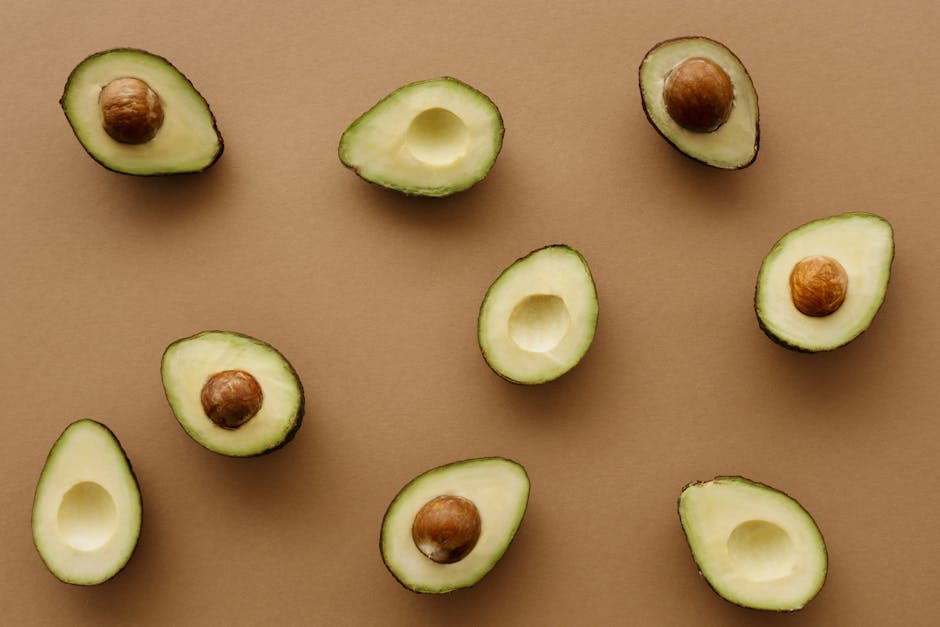
When most people think about oral health, they picture toothbrushes and flossing routines. But the truth is, the best foods for healthy teeth and gums play an equally powerful role in protecting your smile every single day. Nutrition and oral health are deeply connected — the vitamins, minerals, and antioxidants in your diet directly influence the strength of your enamel, the resilience of your gums, and your mouth's ability to fight off harmful bacteria. At Balsam Dental Clinics, we believe that great dental care starts well before you sit in the chair — it starts at your kitchen table.
Calcium is the single most important mineral for your teeth. It forms the structural backbone of both enamel and dentin, and without enough of it, your teeth become brittle, porous, and far more vulnerable to decay. Making calcium-rich foods for teeth a regular part of your diet is one of the simplest and most effective things you can do for your oral health.
Think of calcium as the raw material your teeth are built from. No amount of brushing can compensate for a chronic shortage of it in your diet.
Enamel is the hardest substance in the human body — but it cannot regenerate once it is lost. That makes protecting it through smart food choices absolutely critical. Fortunately, several foods that strengthen enamel are probably already in your grocery basket.
Phosphorus works hand in hand with calcium to remineralise enamel and keep it dense. Eggs, lean meats, fish, tofu, and lentils are all excellent sources. If your diet is low in phosphorus, calcium cannot do its job properly, so the two minerals need to be consumed together consistently.
Apples, carrots, celery, and cucumbers act almost like natural toothbrushes. Their firm, fibrous textures gently scrub the surface of teeth while chewing, helping to dislodge plaque and food debris. They also stimulate saliva production — and saliva is your mouth's built-in defence system, neutralising acids and washing away bacteria throughout the day.
Both green and black teas contain polyphenols that suppress harmful oral bacteria, reducing their ability to produce the acids that erode enamel. Drinking unsweetened tea between meals is a genuinely tooth-friendly habit.
Healthy gums are just as important as strong teeth. Gum disease is the leading cause of tooth loss in adults, and diet plays a significant role in either fuelling or fighting the inflammation that drives it. Incorporating these diet tips for gum health into your routine can make a real difference — especially over the long term.
Vitamin C is essential for the production of collagen, the protein that gives your gum tissue its structure and strength. A deficiency can lead to swollen, bleeding gums and, in severe cases, the loosening of teeth. Citrus fruits, strawberries, kiwis, bell peppers, and broccoli are all outstanding sources. Interestingly, bell peppers contain more vitamin C per gram than oranges — a fact that surprises most people.
Found in fatty fish like salmon, mackerel, and sardines, as well as in flaxseeds and walnuts, omega-3 fatty acids have powerful anti-inflammatory properties. Research suggests that people with higher omega-3 intake tend to have lower rates of gum disease. If you are concerned about your gum health, speaking with a specialist periodontist alongside improving your diet can give you the most complete picture of what your gums need.
Vitamin D acts as a regulator for immune responses, including the inflammatory processes that damage gum tissue. Without sufficient vitamin D, your immune system can overreact to oral bacteria, accelerating gum breakdown. Egg yolks, fortified plant milks, and safe sun exposure all help maintain healthy levels.
Understanding nutrition and oral health means knowing what to limit, not just what to embrace. Some of the most commonly consumed items are quietly eroding enamel and irritating gums without people realising it.
The key is not necessarily complete elimination but mindful timing and habits. Drinking water after consuming acidic foods, waiting 30 minutes before brushing after acidic meals, and choosing whole foods over processed ones will all make a meaningful difference. You can find more practical strategies in our guide on how to prevent tooth decay naturally.
Translating all of this into daily life does not have to be complicated. A balanced plate that prioritises whole foods naturally ticks most of the boxes your teeth need. Here are some simple principles to keep in mind:
Small, consistent changes consistently applied over months and years are what build — and protect — a genuinely healthy smile. It is also worth remembering that diet works best alongside professional care. Regular dental cleanings remove the tartar and plaque that no diet alone can eliminate, keeping your teeth and gums in the best possible condition between visits.
Your diet is one of the most powerful tools you have for protecting your teeth and gums — but it works best as part of a complete approach to oral health. At Balsam Dental Clinics, our friendly, experienced team is here to help you build that complete picture, from personalised preventive care to guidance tailored to your unique needs. Whether you are due for a check-up, concerned about your gum health, or simply want expert advice on keeping your smile at its best, we would love to hear from you. Book your appointment with us today and take the next step toward a healthier, happier smile.


