Lost a tooth and weighing your options? Here's an honest, patient-friendly breakdown of dental bridge vs implant cost, longevity, and lifestyle fit.

November 4, 2026
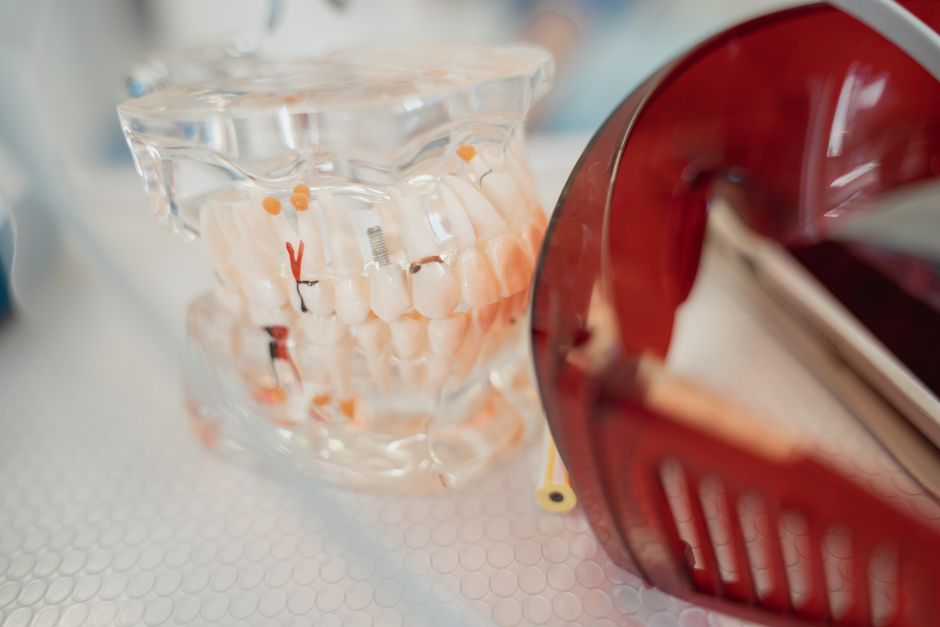
When you lose a single tooth, the question isn't just what to do — it's which option makes sense for your life. The dental bridge vs implant cost comparison is one of the most common conversations we have with patients at Balsam Dental Clinics, and for good reason. Both are excellent missing tooth treatment options, but they differ significantly in price, procedure, and long-term outcomes. This guide breaks it all down so you can walk into your consultation feeling informed and confident.
Before diving into numbers, it helps to understand what each restoration actually involves.
A dental bridge is a fixed prosthetic that literally "bridges" the gap left by a missing tooth. It consists of a false tooth (called a pontic) anchored to dental crowns placed on the two neighbouring teeth on either side of the gap. Those neighbouring teeth must be filed down to support the crowns — a permanent change to otherwise healthy teeth. The result looks natural and feels stable, and the whole process typically takes two to three appointments over a few weeks. You can learn more about what this process involves on our dental crowns and bridges service page.
A dental implant is a titanium post surgically placed into the jawbone, acting as an artificial tooth root. Once the post fuses with the bone — a process called osseointegration that takes three to six months — a custom crown is attached on top. The result is a standalone restoration that doesn't involve neighbouring teeth at all. It's the closest thing modern dentistry has to a natural tooth. For a detailed look at real-world outcomes, our dental implants before and after gallery is a great place to start.
Cost is usually the first factor patients ask about, and understandably so. Here's a realistic overview of what to expect when comparing missing tooth treatment costs in the UAE.
At first glance, the bridge looks like the more affordable choice. And in the short term, it often is. But the full picture is a little more nuanced.
Dental bridges typically last 10 to 15 years before they need to be replaced. Over a lifetime, you may pay for two or three bridges. Implants, by contrast, can last 25 years or more — many patients keep them for life with proper care. When you factor in replacement costs and the potential for neighbouring teeth to eventually need their own crowns or root canal treatment (since they've been permanently altered), the implant often becomes the more cost-effective single tooth implant alternative over the long run.
Every treatment has trade-offs. Here's an honest look at the dental bridge pros and cons to help you weigh up your decision.
There's no single answer that fits every patient, and that's exactly why a personalised consultation matters. That said, here are some general guidelines based on common patient profiles:
Your overall health, bone density, the location of the missing tooth, and your personal priorities all play a role in which option is truly the better fit. This is why a thorough clinical evaluation is essential before making any decision.
Beyond cost and procedure logistics, it's worth pausing on how each option affects your daily life. Patients with implants consistently report higher satisfaction — they eat, speak, and smile with full confidence because the restoration feels indistinguishable from a natural tooth. Bridge wearers generally adapt well too, though some find flossing around the bridge fiddly and require extra diligence with oral hygiene to avoid issues further down the line.
Whichever route you choose, replacing a missing tooth promptly is always the right call. Leaving a gap — even temporarily — can cause neighbouring teeth to shift, change your bite, and accelerate jawbone loss. The sooner you act, the more options you're likely to have.
At Balsam Dental Clinics, our experienced team takes the time to understand your goals, your budget, and your clinical picture before recommending any treatment. We believe great dental care starts with an honest conversation — and we're here for it. Whether you're leaning toward a bridge, an implant, or simply need more information before you decide, we'd love to help. Get in touch with us today to book your consultation and take the first step toward a complete, confident smile.


