Everyday foods and drinks could be silently eroding your enamel. Discover the surprising culprits and simple swaps to protect your smile for life.

June 17, 2026
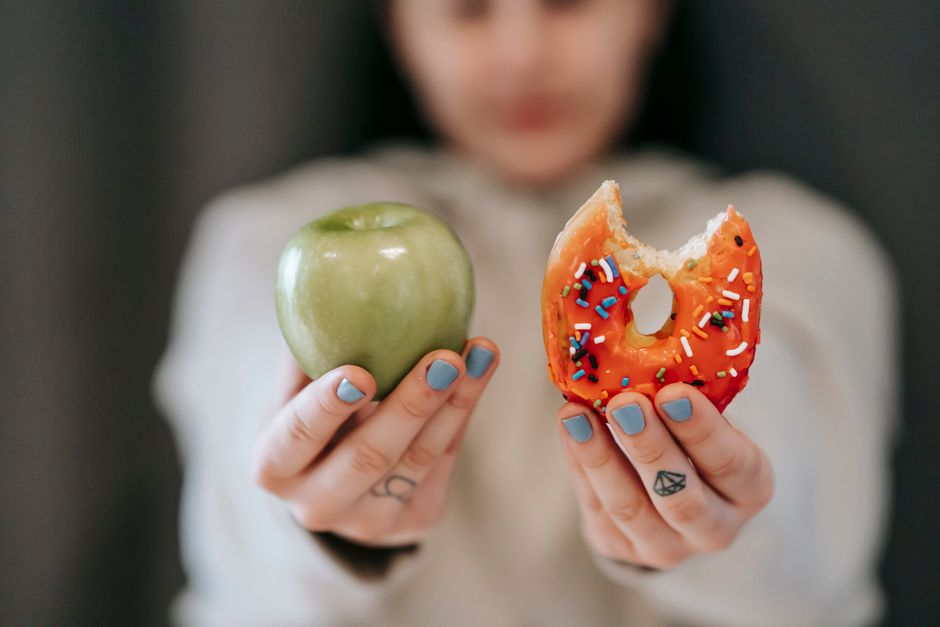
Tooth enamel is the hard, protective outer layer that shields your teeth from daily wear, temperature changes, and bacteria. It is the strongest substance in the human body — yet it is far from invincible. Once enamel is lost, your body cannot regenerate it. That is why understanding foods that damage tooth enamel is one of the most important steps you can take for your long-term oral health.
Enamel erosion can lead to increased sensitivity, yellowing, chipping, and a much higher risk of cavities. The good news? With the right knowledge and a few simple habit changes, you can dramatically slow down — and in many cases prevent — further damage.
Most people know that candy is bad for teeth. But tooth enamel erosion causes go far beyond the obvious sugary treats. Many foods we consider healthy or harmless are quietly working against our smiles every single day.
Oranges, lemons, grapefruits, and limes are packed with vitamin C and antioxidants — but they are also highly acidic. Acidic foods and teeth are a problematic combination because acid softens enamel on contact, making it vulnerable to wear. Drinking lemon water first thing in the morning, a popular wellness trend, exposes your teeth to acid repeatedly before your enamel has had a chance to remineralise overnight.
Carbonated soft drinks are among the most erosive substances for enamel, combining high sugar content with carbonic acid. But here is the surprise: even plain sparkling water carries a slightly acidic pH. While it is far less damaging than cola, frequent sipping throughout the day means your enamel never fully recovers between acid exposures.
Often marketed as healthy or performance-enhancing, sports drinks are notoriously acidic and loaded with sugars. Studies consistently rank them among the top tooth enamel erosion causes, sometimes more damaging per sip than cola. If you are working out in Dubai's heat, plain water is always the smarter choice for your teeth.
Salad dressings, pickles, and condiments like ketchup all contain acetic acid (vinegar). Regularly eating these foods without rinsing your mouth afterwards keeps acid in contact with enamel for extended periods. Even apple cider vinegar, popular as a health remedy, can be highly erosive when consumed undiluted or frequently.
Raisins, apricots, dates, and other dried fruits seem like a wholesome snack. However, they are concentrated in natural sugars and have a sticky texture that clings to the surfaces of teeth. This creates an extended sugar feast for the bacteria that produce enamel-eroding acids.
White wine is acidic enough to soften enamel directly, while red wine adds tannins that dry out the mouth, reducing the protective flow of saliva. Lower saliva production is a significant but overlooked tooth enamel erosion cause, as saliva is your mouth's natural defence mechanism against acid attack.
Beyond staining, coffee is mildly acidic and often consumed with sugar. Adding multiple sugars to several cups a day creates a recurring acid and sugar environment in your mouth. Certain herbal teas, particularly fruit-based blends, can actually be more acidic than coffee.
Understanding the mechanism helps you make smarter choices. When you eat or drink something acidic, the pH in your mouth drops below the critical threshold of 5.5. At this point, minerals — primarily calcium and phosphate — begin leaching out of your enamel in a process called demineralisation. Saliva naturally works to restore these minerals over time, but if acid attacks are frequent, remineralisation cannot keep pace and erosion progresses.
Factors that accelerate this process include dry mouth (xerostomia), acid reflux (GERD), frequent snacking, and brushing immediately after eating acidic foods — which scrubs away already-softened enamel rather than protecting it.
If you would like to explore more about how to prevent tooth decay naturally, our blog offers practical, dentist-approved guidance that pairs perfectly with the dietary advice in this article.
Protecting your enamel does not require giving up all your favourite foods. It is about being strategic with how and when you consume them.
Diet is only part of the picture. Combining smart food choices with strong oral hygiene habits is the most effective way to strengthen tooth enamel naturally over time.
"Prevention is always better than restoration. The enamel you protect today is the enamel you will still have in 20 years."
If you are already experiencing sensitivity to hot, cold, or sweet foods, or you have noticed your teeth looking more yellow or translucent at the edges, some enamel loss may have already taken place. The earlier you act, the more you can do to preserve what remains.
Our team at Balsam Dental Clinics offers a full range of preventive dental care services designed to assess your enamel health, provide professional fluoride treatments, and create a personalised plan to protect your smile going forward. In cases where erosion has progressed, restorative options such as composite bonding, ceramic fillings, or veneers can restore both function and aesthetics.
Your enamel works silently every day to protect your smile — it deserves the same care in return. Whether you want a professional assessment of your current enamel health, personalised dietary advice, or simply a thorough check-up, the friendly team at Balsam Dental Clinics is here to help. Book your appointment today and take the first step toward a stronger, healthier smile that lasts a lifetime.


