Bleeding gums or mild puffiness might seem harmless, but they could be early warning signs of gum disease. Learn what to watch for and when to act.

July 29, 2026
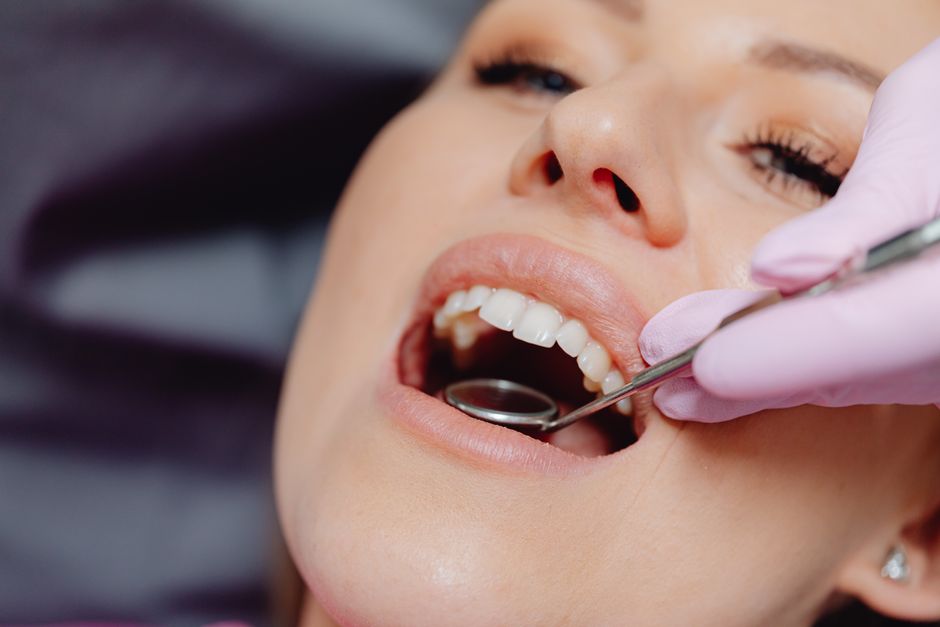
Most people brush off a little blood in the sink after flossing or notice slightly puffy gums and think nothing of it. But these small, easy-to-dismiss moments are often the body's earliest gum disease early warning signs — and catching them now can make all the difference. The good news? When spotted early, gum disease is almost always reversible. When ignored, it can silently progress into periodontal disease, leading to bone loss, tooth mobility, and eventually tooth loss.
This guide will walk you through the key symptoms to watch for, what each one means for your oral health, and exactly when it's time to call your dentist.
Gum disease begins as gingivitis — an inflammation of the gum tissue caused by a build-up of plaque along and below the gumline. Plaque is a sticky film of bacteria that forms on teeth every day. If it isn't removed through consistent brushing and flossing, the bacteria release toxins that irritate the gums, triggering the immune system and causing that telltale redness and swelling.
What makes gingivitis tricky is that it's often painless in its early stages. There's no dramatic alarm — just subtle changes that are easy to rationalise away. That's why understanding the specific symptoms of gingivitis is so important for catching the problem before it escalates.
This is the most common and most overlooked symptom. Many people assume that bleeding gums causes are linked to brushing too hard, but in reality, healthy gums simply don't bleed. Occasional bleeding — especially when you floss — is one of the clearest early indicators of gum inflammation. If you notice pink in the sink more than once or twice, it's time to take it seriously.
Healthy gums are firm and pale pink. If yours look red, feel tender to the touch, or appear swollen or shiny, inflammation is already present. This puffiness is your immune system responding to bacterial irritation — and while it might not hurt yet, it signals that gingivitis has taken hold.
Chronic bad breath that doesn't resolve with brushing or mouthwash is a classic sign of gum disease. The bacteria responsible for gum inflammation produce sulphur compounds, which create an unpleasant odour. If a mint only masks the problem temporarily, your gums — not just your tongue — may be the source.
When gums begin pulling away from the teeth, the roots become exposed. You might notice your teeth looking longer than they used to, or you may feel increased sensitivity to hot and cold foods. Gum recession is a sign that the disease may be progressing beyond early-stage gingivitis, and it warrants prompt professional attention.
New or worsening sensitivity — particularly along the gumline — can indicate that gum tissue has receded or that bacterial infection is affecting the root surfaces. While sensitivity has several causes, when it appears alongside other symptoms on this list, gum disease should be ruled out first.
In more advanced periodontal disease, the bone and connective tissue that anchor teeth begin to break down. This can cause teeth to feel loose, shift position, or create new gaps between them. At this stage, professional intervention is urgent. Our specialist periodontist in Dubai can assess the extent of bone involvement and discuss the most appropriate treatment plan for your situation.
Discomfort while eating, especially pressure sensitivity, can be a sign that the supporting structures of the teeth are compromised. This symptom often appears later in the disease process, but it's a definitive signal that something needs to be addressed.
Gingivitis is the reversible, early stage of gum disease. The gum tissue is inflamed, but the bone and connective tissue holding your teeth in place are still intact. With professional cleaning and an improved home care routine, gingivitis can be fully reversed.
Periodontal disease occurs when gingivitis is left untreated and the infection spreads below the gumline. The body's response to chronic bacterial infection begins to destroy the bone and ligaments supporting the teeth. At this stage, the damage cannot be fully reversed — only managed and stabilised. This is why periodontal disease prevention starts with acting on early warning signs rather than waiting for pain to appear.
"The most important thing patients can understand is that gum disease is not just a mouth problem. Research continues to link periodontal disease to heart disease, diabetes, and pregnancy complications. Treating it early protects far more than your smile."
If you've recognised one or more of the symptoms above, the most important step is to not panic — and not delay. Early-stage gingivitis responds very well to professional treatment combined with improved home hygiene habits. Here's what the reversal process typically looks like:
Understanding the full value of routine professional care is something our team cares deeply about. Regular dental cleanings do far more than polish your teeth — they're one of the most powerful tools you have for preventing gum disease from taking hold in the first place.
While anyone can develop gum disease, certain factors increase your risk significantly:
If any of these apply to you, more frequent professional monitoring is especially important.
The honest answer is: sooner than you think. If you've noticed any of the gum disease early warning signs described above — even just occasional bleeding or slightly tender gums — booking a check-up is the right move. You don't need to wait for pain, and you don't need to be embarrassed. Gum disease is extremely common, and catching it early means treatment is simpler, faster, and more successful.
If it's been more than six months since your last dental visit, that alone is reason enough to make an appointment.
Your gums are the foundation of your smile, and they deserve the same care and attention as your teeth. At Balsam Dental Clinics, our experienced team offers comprehensive gum assessments, professional cleanings, and specialist periodontal care — all in a welcoming, modern environment designed to put you at ease. Whether you've spotted one early warning sign or several, we're here to help you understand exactly what's happening and create a clear path forward. Contact us today to book your appointment and give your gums the expert attention they need.


