Millions of adults grind their teeth at night without knowing it. Learn to spot the warning signs of bruxism and discover the most effective treatments available today.

July 1, 2026
Teeth grinding treatment options for adults have come a long way, and the good news is that bruxism — the clinical term for habitual teeth grinding or jaw clenching — is very manageable when caught early. The challenge? Most people have no idea they're doing it. Because grinding most often happens during sleep, it can quietly cause serious dental damage for months or even years before anyone notices. If you've been waking up with a sore jaw, unexplained headaches, or teeth that seem increasingly sensitive, it may be time to take a closer look at what's happening while you sleep.
Understanding bruxism symptoms and causes is the first step toward getting the right help. The condition falls into two main categories: sleep bruxism, which occurs during the night, and awake bruxism, which involves clenching the jaw during the day, often unconsciously in response to stress or concentration.
As for causes, bruxism is rarely the result of a single factor. Research points to a combination of psychological stress and anxiety, certain medications (particularly some antidepressants), sleep disorders like sleep apnoea, and even bite misalignment. Genetic factors may also play a role, meaning it can run in families. Understanding your personal triggers is a key part of building an effective treatment plan.
Jaw pain from teeth grinding is more than just an inconvenience — it's a signal that your temporomandibular joint (TMJ) is under significant stress. The TMJ is the hinge connecting your jaw to your skull, and repeated overloading from grinding can lead to a condition called temporomandibular joint disorder (TMD). Symptoms of TMD include clicking or popping sounds when you open your mouth, difficulty chewing, and in more advanced cases, the jaw locking in place.
Beyond the joint itself, chronic grinding wears down tooth enamel at an accelerated rate. Enamel doesn't grow back, so once it's gone, you're looking at increased decay risk, sensitivity, and potentially the need for restorative dental treatments such as crowns, fillings, or even implants down the line. This is precisely why early intervention matters so much.
There is no single cure for bruxism, but a combination of approaches can dramatically reduce its impact. Your dentist will tailor recommendations based on the severity of your grinding, its likely causes, and the current state of your teeth.
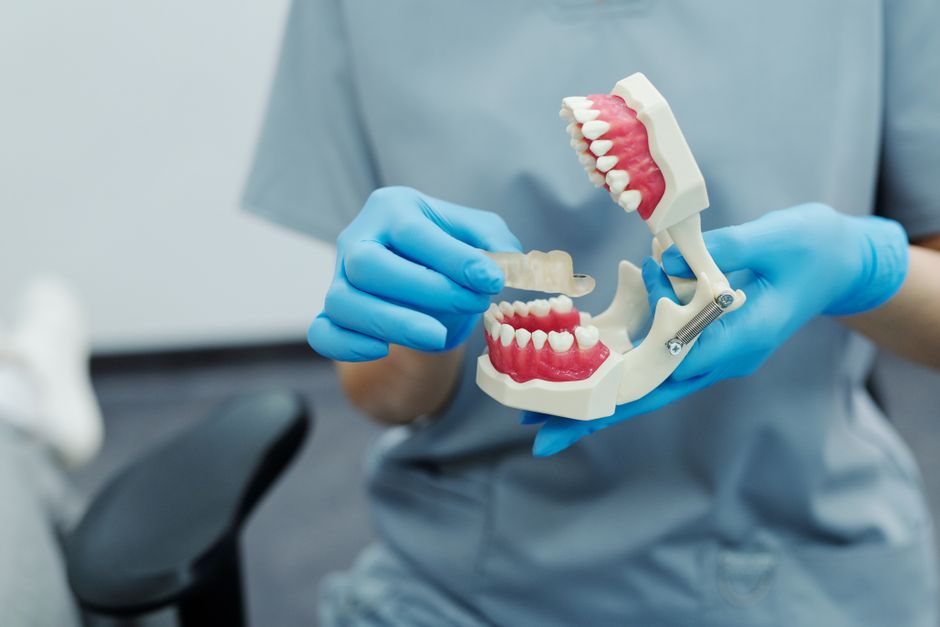
The most widely recommended dental intervention is a night guard for teeth grinding — a custom-fitted oral appliance worn over the teeth during sleep. Think of it as a protective shield: it doesn't stop the grinding behaviour itself, but it prevents the upper and lower teeth from making direct contact, absorbing the force and protecting enamel from further damage.
It's important to note the difference between an over-the-counter guard and a dentist-made one. Pharmacy versions are made from soft, generic materials that can actually encourage more clenching in some patients. A custom night guard, crafted from impressions of your specific bite, fits precisely, feels more comfortable, and provides far superior protection. Most patients adapt to wearing one within a week or two.
Since stress and anxiety are among the most common bruxism triggers, addressing the root cause is essential. Cognitive behavioural therapy (CBT) has shown promising results in helping patients become more aware of clenching habits and rewiring their response to stress. Regular exercise, mindfulness meditation, and establishing a calming pre-sleep routine can all meaningfully reduce nighttime grinding episodes. Your dentist may refer you to a specialist if psychological factors appear significant.
Biofeedback is a newer, evidence-backed technique where sensors monitor jaw muscle activity and alert the patient — through a sound or vibration — when clenching begins. Over time, this trains the brain to recognise and reduce the behaviour. While not yet universally available, it is an exciting option for patients whose bruxism hasn't responded well to other approaches.
For cases of severe bruxism where jaw muscles are significantly overdeveloped and causing pain, some dentists and specialists offer targeted muscle relaxant injections into the masseter muscles (the main chewing muscles). This reduces the force of grinding considerably. Effects typically last several months and the treatment can be repeated. It's not a first-line option but can be highly effective for the right candidate.
Because sleep bruxism is closely linked to sleep-disordered breathing — particularly obstructive sleep apnoea — your dentist may refer you for a sleep study if apnoea is suspected. Treating the underlying sleep condition often leads to a significant reduction in grinding. Oral appliances that reposition the jaw to keep airways open can serve a dual purpose in such cases.
Where misaligned teeth or an uneven bite are contributing to bruxism, orthodontic treatment may be recommended. Straightening the teeth improves how the upper and lower jaws meet, reducing the uneven forces that can provoke grinding. In cases where tooth structure has already been significantly damaged, dental crowns and bridges can rebuild worn-down teeth and restore a healthy, balanced bite.
Alongside professional treatment, there are simple daily habits that support recovery. Learning how to stop grinding teeth — or at least reduce its severity — often involves a mix of conscious effort and lifestyle adjustments:
It's also worth knowing that preventive dental care plays a central role in managing bruxism long-term. Regular check-ups allow your dentist to monitor wear patterns, adjust your night guard as needed, and catch any emerging damage before it becomes a larger problem.
Left unaddressed, chronic teeth grinding doesn't just wear down enamel — it can fracture teeth, damage existing dental work, cause progressive bone loss around teeth, and lead to chronic facial pain that significantly impacts quality of life. The longer it continues, the more complex and costly the repairs become. Addressing bruxism early is always the smarter, kinder path for your long-term dental health.
If you recognise any of the symptoms described in this article, please don't wait for the damage to worsen. At Balsam Dental Clinics, our experienced team takes a thorough, patient-centred approach to diagnosing and treating bruxism — from custom night guards to comprehensive restorative solutions. We're here to listen, explain your options clearly, and create a treatment plan that fits your life. Get in touch with us today to book your consultation and take the first step toward waking up pain-free.


