Sharp pain when sipping coffee or biting into ice cream? Discover the real causes of tooth sensitivity and the best remedies to find lasting relief.

August 12, 2026
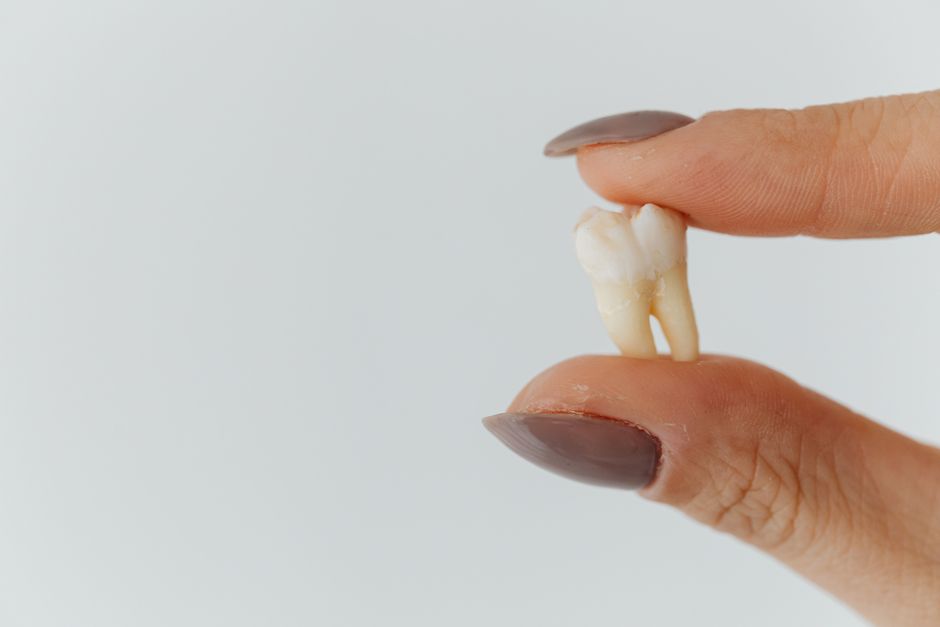
Tooth sensitivity is one of the most common dental complaints — and one of the most frustrating. That sudden, sharp twinge when you eat something cold, hot, sweet, or acidic is hard to ignore. If you've ever found yourself wondering why are my teeth sensitive, you're far from alone. Studies suggest that nearly one in eight adults experiences some degree of tooth sensitivity at any given time. The good news? Understanding the tooth sensitivity causes and remedies available to you is the first step toward real, lasting relief.
At Balsam Dental Clinics, we believe every patient deserves to eat, drink, and smile without wincing. So let's walk through what's actually happening inside your teeth — and what you can do about it.
Beneath the hard outer enamel of every tooth lies a softer layer called dentin. Dentin contains thousands of microscopic tubules that lead directly to the nerve at the center of the tooth. When enamel wears down or gum tissue pulls back, these tubules become exposed. Suddenly, temperature changes, sugary foods, or acidic drinks can travel straight to the nerve — and that's when you feel that familiar, sharp sting.
Here are the most common underlying culprits:
If your sensitivity is mild to moderate, several at-home strategies can make a noticeable difference. Think of these as your first line of defence:
The best toothpaste for sensitive teeth contains active ingredients like potassium nitrate or stannous fluoride. These compounds work by either blocking the open dentinal tubules or calming the nerve itself. For best results, use the toothpaste consistently twice a day — and try dabbing a small amount directly onto the sensitive area and leaving it on overnight rather than rinsing immediately.
Not sure which toothbrush to pair with your new toothpaste? Our guide on choosing the right electric toothbrush can help you find a gentle option that cleans effectively without damaging enamel or gums.
Limit acidic foods and drinks as much as possible, and when you do consume them, use a straw to minimise contact with teeth. Wait at least 30 minutes after eating acidic foods before brushing — brushing immediately can actually spread the acid further and accelerate enamel erosion.
Replace your toothbrush with a soft-bristled model and use small, circular motions rather than aggressive back-and-forth scrubbing. This simple change alone can prevent further enamel loss and gum irritation.
If you suspect bruxism, mention it to your dentist. A custom-fitted night guard protects your teeth while you sleep and can prevent further enamel wear from grinding.
Regular dental check-ups and professional cleanings are genuinely one of the most powerful tools for keeping sensitivity at bay. Catching early signs of decay, gum disease, or enamel erosion before they worsen saves both your comfort and your wallet. Understanding why preventive dental care matters is a great place to start if you'd like to learn more about building healthy long-term habits.
If your sensitivity is severe, worsening, or affecting your quality of life, it's time to see a dental professional. Several effective clinical treatments can address the root cause — not just the symptoms.
Your dentist can apply concentrated fluoride varnish directly to sensitive areas to strengthen enamel and block exposed tubules. Dental bonding resin can also be applied to cover exposed root surfaces, providing immediate and longer-lasting protection.
If decay or a damaged tooth is the cause of your sensitivity, restoring the tooth with a tooth-coloured composite filling or ceramic restoration will eliminate the pathway to the nerve and resolve the pain at its source. Leaving cavities untreated only allows them to deepen and worsen over time.
If gum recession is the culprit, treating the underlying periodontal disease is essential. Scaling and root planing (a deep clean below the gumline) can halt recession and, in some cases, allow gum tissue to recover. Our specialist periodontists at Balsam Dental Clinics are experienced in treating gum conditions that contribute to sensitivity.
In cases where the nerve itself is inflamed or infected — often characterised by persistent, severe pain rather than brief twinges — a root canal may be necessary. Despite its reputation, modern root canal treatment is straightforward, comfortable, and the most effective way to preserve a tooth that would otherwise need extraction.
For teeth with significant structural damage, cracking, or heavy wear, a dental crown can cap and protect the entire tooth, eliminating sensitivity caused by exposed or weakened tooth structure.
Teeth whitening is one of the most popular cosmetic dental treatments — and temporary sensitivity afterward is a very common side effect. The whitening agents open dentinal tubules during the process, which typically resolves within 24 to 72 hours. Using a desensitising toothpaste in the week before and after your treatment can help significantly. If you're concerned about sensitivity related to whitening, speak to your dentist before your appointment so they can tailor the treatment to your needs.
Tooth sensitivity is rarely just an inconvenience — it's your body's way of signalling that something needs attention. Whether the cause is as simple as switching your toothbrush or as significant as underlying gum disease, the earlier you address it, the easier and less costly the solution tends to be. Knowing the tooth sensitivity causes and remedies available gives you real power to take action, rather than simply putting up with the discomfort.
At Balsam Dental Clinics, our warm and experienced team is here to help you find the right diagnosis and the most effective treatment plan for your unique situation. Don't let sensitive teeth hold you back from enjoying your favourite foods and drinks. Get in touch with us today to book a consultation — relief could be closer than you think.


