Not sure if your dental pain needs same-day attention? Learn exactly when emergency dental care can't wait and what to do before you reach the clinic.

September 23, 2026
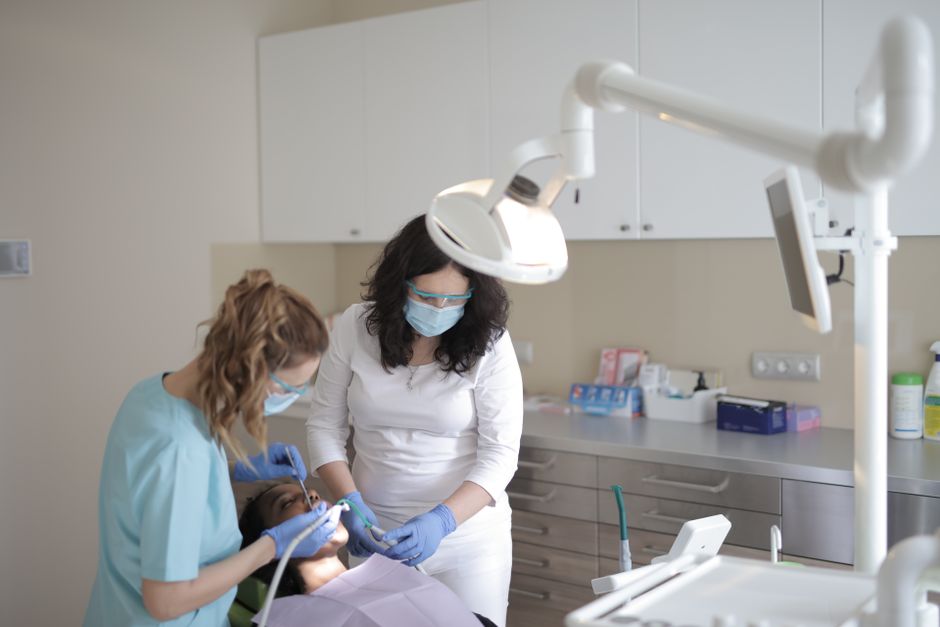
That sudden sharp pain in your tooth at 10 PM or the cracked molar you noticed after biting into something hard — these moments spark an immediate question: is this an emergency dental care situation, or can it wait until next week? Getting that answer wrong in either direction has real consequences. Waiting too long on a true emergency can mean losing a tooth, developing a dangerous infection, or enduring days of unnecessary agony. But rushing in for something minor takes up appointment slots that someone in genuine crisis might need.
This guide is designed to help you make that call confidently — with a clear symptom checklist, practical first-response steps, and honest guidance on when to pick up the phone right now versus when you can schedule a routine visit.
Certain dental emergency symptoms signal that waiting is simply not safe. If you're experiencing any of the following, this is a same-day, call-immediately situation:
If you recognise any of these signs, our emergency dental care services at Balsam Dental Clinics are designed to get you seen as quickly as possible. Call us first so we can prepare for your arrival.
Not every dental problem is a drop-everything emergency, but urgent dental care signs still deserve a prompt appointment — ideally within 24 to 72 hours. These include:
While these issues aren't immediate emergencies, delaying care beyond a few days risks turning a manageable problem into a much more serious — and expensive — one. When in doubt, call the clinic and describe your symptoms. Our team will guide you on timing.
Some dental concerns cause worry but pose no immediate risk to your health or tooth survival. These are safe to address at your next available scheduled appointment:
That said, even these seemingly minor issues deserve attention at your next check-up. Persistent sensitivity, for instance, can sometimes indicate enamel erosion or early decay that's worth catching early.
Use this quick checklist to assess your situation:
The right first-response steps can make a significant difference in outcomes — especially for traumatic injuries. Here's what to do while you're on your way:
Pick up the tooth by the crown (the white part you see when you smile), never by the root. Gently rinse it with clean water if it's dirty — do not scrub it. If possible, place it back in the socket and hold it there gently. If that's not possible, keep it moist in a small container of milk or between your cheek and gum. Do not let it dry out. Call us immediately — every minute matters for saving the tooth.
Rinse your mouth gently with warm water. Apply a cold compress to the outside of your cheek to reduce swelling. Collect any large fragments if you can find them. Avoid eating on that side. Over-the-counter dental cement (available at pharmacies) can temporarily protect an exposed area until you reach us.
Take an appropriate over-the-counter pain reliever as directed. Do not place aspirin directly on the gum or tooth — this can cause a chemical burn. A cold compress on the outside of the cheek may help reduce swelling. Do not apply heat. Rinse gently with warm salt water. Then call us right away.
Apply firm, steady pressure using a clean cloth or gauze. If bleeding does not slow within 15–20 minutes, go to the nearest emergency room as well as contacting us.
Dental emergencies don't always look dramatic. A tooth abscess, for example, might start as a persistent ache — but the infection can spread rapidly, sometimes requiring hospitalisation. Understanding the urgent dental care signs that signal real danger is one of the most valuable things you can do for your long-term health. It's also worth taking a moment, when you're not in a crisis, to explore how preventive dental care reduces your risk of emergencies in the first place — because the best emergency is the one that never happens.
At Balsam Dental Clinics, we understand that dental emergencies don't follow a schedule — and neither do we when our patients need us. Our experienced team is equipped to handle everything from a broken tooth emergency to severe infections with the urgency, skill, and compassion you deserve. Whether you're facing a crisis right now or you'd simply like to know your options before one arises, we're here to help. Contact Balsam Dental Clinics today to speak with our team or book your appointment — because your smile, and your health, are always worth protecting.


