Most people floss wrong — or not at all. Learn the exact technique dentists recommend, the mistakes to avoid, and which flossing tool suits you best.

October 21, 2026
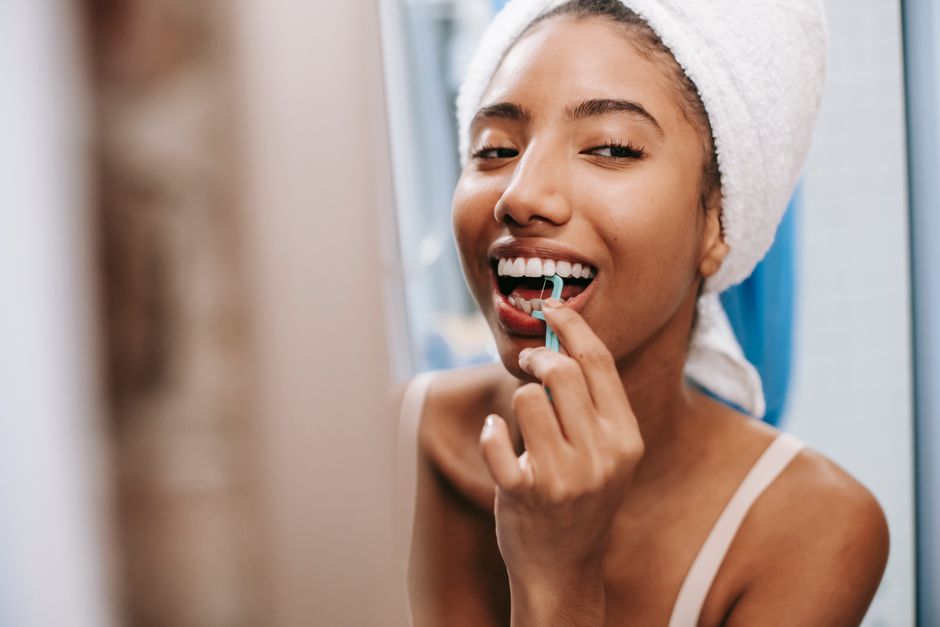
You already know you should floss. But do you know how to floss teeth correctly? There is a significant difference between going through the motions and actually removing the plaque and food debris that cause cavities and gum disease. Studies consistently show that most people either skip flossing entirely or use a technique that leaves harmful buildup untouched between teeth. The good news? A small adjustment in how you floss can make a dramatic difference to your long-term oral health.
At Balsam Dental Clinics, our dentists see the results of poor interdental cleaning every single day — from inflamed gums to cavities that form in spaces a toothbrush simply cannot reach. This guide breaks everything down so you can clean between your teeth with confidence, every time.
Proper flossing technique is more precise than most people realise. Follow these steps and you will immediately notice the difference in how clean your mouth feels.
For most adults, this entire routine should take about two minutes. If bleeding occurs when you start flossing regularly, do not stop — this is usually a sign of early gum inflammation that improves within one to two weeks of consistent flossing. If bleeding persists, it is worth reading about gum disease early warning signs and considering a check-up.
Even people who floss daily can be doing it in ways that dramatically reduce its effectiveness. Here are the most common errors our dental team identifies:
The debate around flossing vs water flosser has grown as water flossers become more widely available and popular. Both tools have genuine value, but they are not identical in what they do.
String floss physically scrapes the surface of teeth and removes the sticky plaque film more effectively than water pressure alone. It is affordable, portable, and when used correctly, it remains the gold standard recommended by most dental associations for healthy adults.
Water flossers use a pressurised stream of water to flush debris and bacteria from between teeth and below the gum line. They are particularly beneficial for people with braces, bridges, dental implants, or limited dexterity who find string floss difficult to manoeuvre. They are also excellent for flushing out debris that has already been loosened. However, on their own, they may not remove stubborn plaque as thoroughly as string floss.
Floss picks are convenient and better than not flossing at all, but they make it harder to achieve the proper C-shape technique around each tooth. They work well as a backup option when travelling or at the office, but should not replace string floss as your primary tool at home.
Our recommendation: If you have healthy teeth and gums, string floss used correctly is your best daily tool. If you have orthodontic appliances or restorations, combining a water flosser with string floss or specialised interdental brushes will give you the most thorough clean. Our preventive care team can advise you on the best interdental cleaning tools for your specific dental situation during your next visit.
Understanding the daily flossing benefits can be the motivation you need to make it a non-negotiable habit. Here is what consistent, correct flossing actually does for your health:
Pairing your flossing habit with a diet that supports strong teeth is equally important. Our article on the best foods for healthy teeth and gums is a great companion read to help you build a complete oral health routine.
Knowing the correct technique is only half the battle. Here are a few practical interdental cleaning tips to help make daily flossing a routine rather than an afterthought:
Getting your flossing technique right is one of the most effective things you can do for your long-term dental health — and it costs almost nothing. But even the most disciplined home care routine works best alongside regular professional check-ups and cleanings. At Balsam Dental Clinics, our friendly and experienced team is here to guide you through every aspect of your oral health, from personalised hygiene advice to comprehensive dental treatments. Book your appointment today and let us help you build a smile that lasts a lifetime.


